Case Study · US Government Vendor · Government & Defense
Computer Vision and Agentic AI Deployed for U.S. Government Security
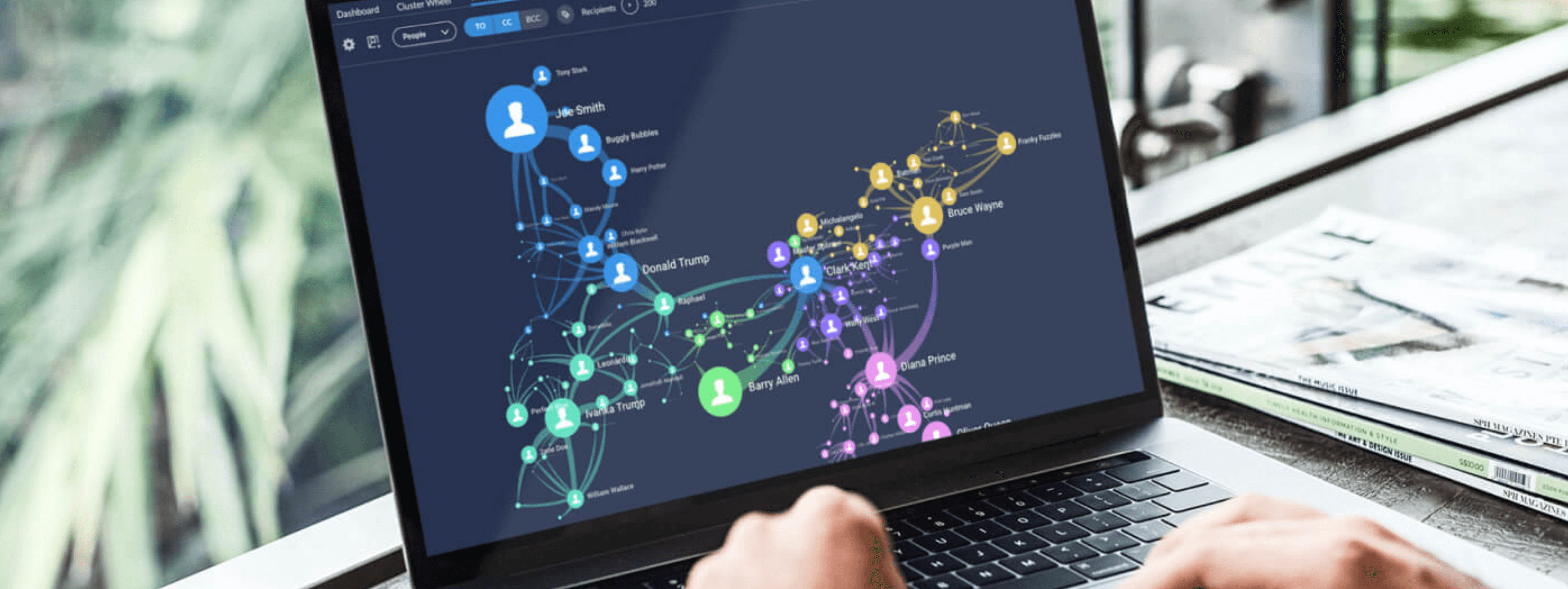
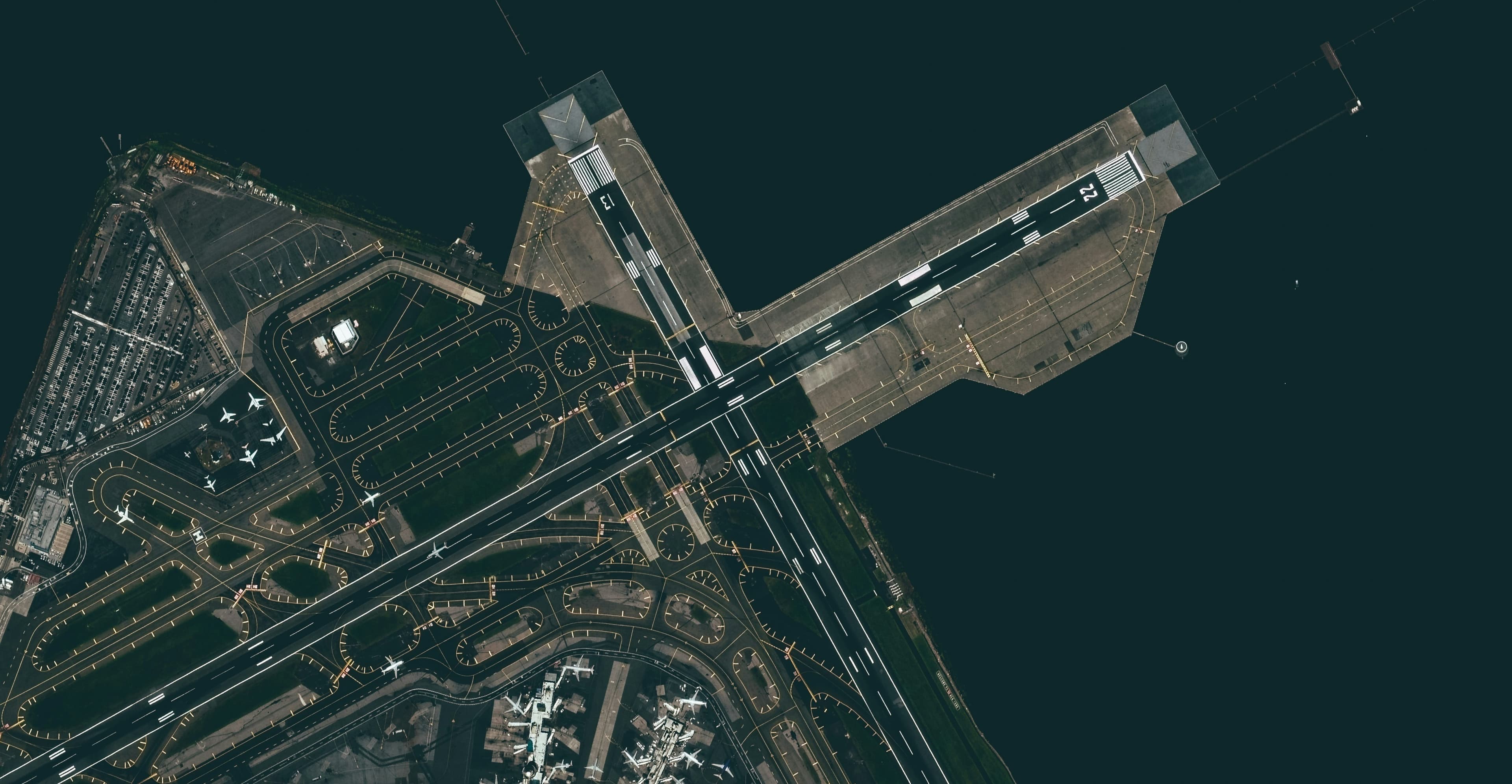
geniant partnered with a government vendor to build an AI solution deployed in securing military bases. We paired sensors and computer vision with real-time AI indexing on a government-ready architecture, creating AI Agents that can “see” real-world activity, interpret it, and execute tasks and alerts in the moment.
Real-time
AI decision-making in complex operational environments
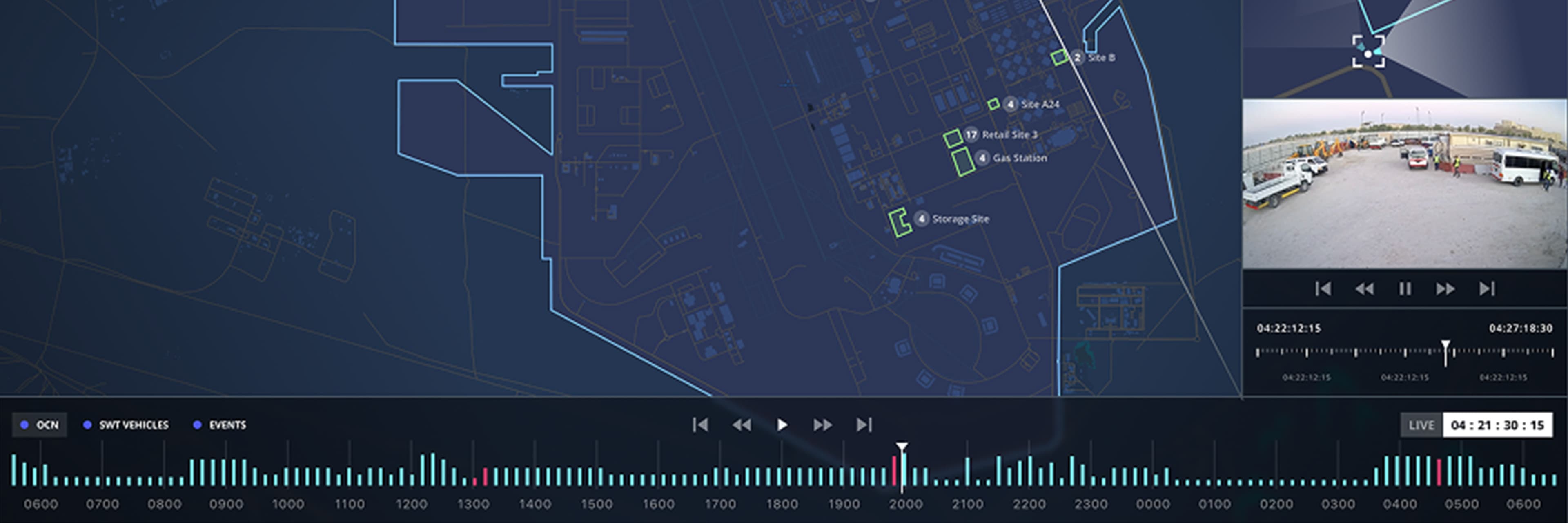
The system processes physical-world sensor data in real time, enabling faster decisions in high-stakes security environments without constant human monitoring.
Agentic
AI that sees, interprets, and acts autonomously
AI Agents connected directly to existing command systems — automating workflows that previously required constant human oversight across military installations.
The Opportunity
Replacing constant human monitoring with AI that perceives, reasons, and responds to physical-world events in real time.
Military base security generates continuous streams of sensor data — perimeter activity, access events, environmental signals — that human operators cannot monitor at scale without introducing latency and risk. The challenge was building an AI system capable of ingesting that physical-world data, understanding context, and taking action fast enough to matter in real operational scenarios.
The solution needed to meet the strict requirements of a government-grade architecture — secure, auditable, and deployable in environments with demanding compliance constraints.
The Solution
Sensors and computer vision paired with agentic AI — physical insights connected directly to command systems.
geniant designed and built an AI architecture that pairs physical sensors with computer vision models capable of interpreting real-world activity across a military installation. A real-time AI indexing layer classifies events as they occur, feeding agentic AI models that reason about context and trigger appropriate workflows or alerts downstream.
The system was built on a government-ready architecture — compliant with security and data residency requirements — and integrates directly with existing command and control infrastructure, so operators receive structured, actionable intelligence rather than raw sensor feeds.
“Faster decision-making in complex operational environments, with physical-world insights connected directly to existing command systems — automating workflows that previously required constant human monitoring.”
Expertise
- AI Strategy
- AI Engineering
- Computer Vision
- Agentic AI
Industry
Government & Defense
Capability
Digital